As we delve into the realm of commercial real estate near me, get ready to uncover valuable insights and expert tips that will guide you through the intricacies of this dynamic market. From understanding the nuances of commercial properties to navigating the key factors influencing investments, this guide is your gateway to unlocking the potential of commercial real estate in your vicinity.
Understanding Commercial Real Estate
Commercial real estate refers to properties used for business purposes, such as office buildings, retail spaces, industrial facilities, and warehouses. It is different from residential real estate, which is used for living purposes.
Types of Commercial Real Estate
- Office Buildings
- Retail Spaces
- Industrial Facilities
- Warehouses
Main Differences Between Commercial and Residential Real Estate
- Commercial properties generate income through rent from tenants, while residential properties are meant for personal use by homeowners or renters.
- Commercial leases are typically longer and involve more negotiation compared to residential leases.
- Commercial properties are valued based on their income potential, while residential properties are often valued based on comparable sales in the area.
Importance of Location in Commercial Real Estate Investments
The location of a commercial property plays a crucial role in its success and value. Factors such as accessibility, visibility, demographics, and competition in the area can greatly impact the profitability of a commercial real estate investment.
Factors to Consider
When looking for commercial real estate near you, there are several important factors to consider to make an informed decision. From local market trends to zoning laws and regulations, each aspect plays a crucial role in determining the value and suitability of a commercial property.
Local Market Trends Impact
Local market trends can have a significant impact on the value and potential return on investment of commercial real estate properties. Understanding the current market conditions, such as supply and demand dynamics, vacancy rates, and rental prices, is essential for making strategic decisions.
For example, an area experiencing rapid growth and increasing demand for commercial space may present lucrative opportunities for investors, while a market facing oversupply and declining demand could pose risks.
Zoning Laws and Regulations
Zoning laws and regulations govern how a commercial property can be used, developed, and modified. These laws play a crucial role in determining the potential uses of a property, its maximum allowable size, height restrictions, parking requirements, and other important factors.
Before investing in commercial real estate, it is essential to research and understand the zoning regulations in the area to ensure compliance and avoid any restrictions that could limit the property's potential value.
Finding Commercial Real Estate Properties
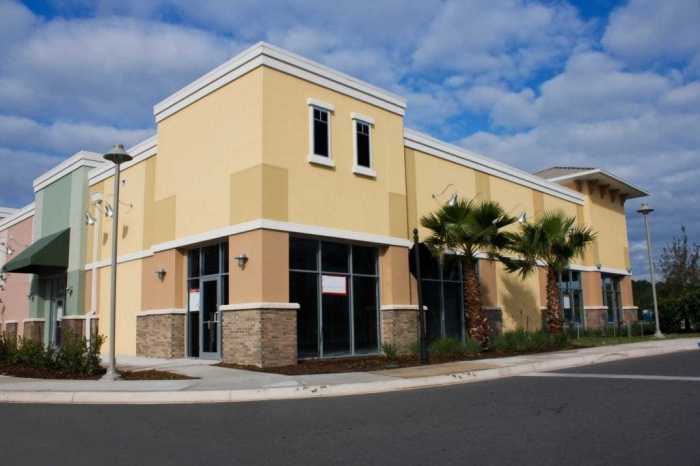
When looking for commercial real estate properties in your area, there are several tips to keep in mind to make the process easier and more efficient. Whether you are searching for office space, retail locations, or industrial properties, here are some strategies to help you find the perfect property:
Online Platforms for Finding Commercial Real Estate Listings
There are various online platforms where you can search for commercial real estate listings. Some popular websites include LoopNet, CoStar, and CommercialCafe. These platforms allow you to filter your search based on location, property type, size, and price range, making it easier to find properties that meet your specific criteria.
Benefits of Working with a Real Estate Agent Specialized in Commercial Properties
- Expertise: Real estate agents specialized in commercial properties have in-depth knowledge of the market, including current trends, pricing, and availability of properties.
- Network: These agents often have a wide network of contacts in the industry, which can give you access to off-market properties and exclusive listings.
- Negotiation Skills: A specialized agent can help you negotiate the best deal for your commercial property purchase or lease, saving you time and money in the process.
- Legal Assistance: Commercial real estate transactions can be complex, and having a knowledgeable agent on your side can help ensure that all legal aspects are handled properly.
Financing and Investing
When it comes to purchasing commercial real estate, understanding the common financing options available is crucial. Additionally, knowing how to evaluate the potential return on investment can help you make informed decisions in the world of commercial real estate investments.
Common Financing Options
- Traditional Bank Loans: These loans are a common choice for financing commercial real estate purchases. They typically offer competitive interest rates and terms.
- SBA Loans: Small Business Administration loans can be a great option for small businesses looking to purchase commercial real estate. These loans often come with lower down payment requirements.
- Private Investors: Working with private investors or equity partners can be another way to finance a commercial real estate purchase. This option allows for more flexibility in terms and conditions.
Understanding Cap Rates
Cap rates, or capitalization rates, are a key metric used in commercial real estate investments to evaluate the potential return on investment. It is calculated by dividing the property's net operating income (NOI) by its current market value or purchase price.
A higher cap rate indicates a higher potential return on investment, but it is important to consider other factors such as the property's location, condition, and market trends.
Evaluating Return on Investment
- Calculate Cash Flow: Determine the property's potential cash flow by subtracting operating expenses from the property's rental income.
- Analyze Market Trends: Research the local market trends to understand the potential for property appreciation and rental income growth.
- Consider Risks: Evaluate the potential risks associated with the property, such as vacancy rates, maintenance costs, and market volatility.
Property Management
Effective property management is crucial for maintaining and increasing the value of commercial real estate assets. It involves overseeing the day-to-day operations, maintenance, tenant relations, and financial aspects of a property to ensure it remains profitable and well-maintained.
Importance of Effective Property Management
- Ensures proper maintenance and upkeep of the property to attract and retain tenants.
- Maximizes the property's income potential by setting competitive rental rates and minimizing vacancies.
- Manages tenant relations and addresses any issues or concerns promptly to maintain a positive relationship.
- Handles financial aspects such as budgeting, rent collection, and expense management to ensure profitability.
Common Challenges Faced by Property Managers
- Dealing with difficult tenants or lease violations.
- Maintaining and updating aging infrastructure and systems.
- Ensuring compliance with regulations and codes.
- Balancing the needs of tenants with the owner's financial goals.
Tips to Maintain and Increase the Value of Commercial Real Estate Asset
- Regularly inspect and maintain the property to prevent costly repairs and maintain its appeal.
- Stay updated on market trends and adjust rental rates accordingly to remain competitive.
- Invest in energy-efficient upgrades to reduce operating costs and attract environmentally conscious tenants.
- Develop strong tenant relationships by being responsive to their needs and concerns.
Outcome Summary
In conclusion, the world of commercial real estate near me is filled with opportunities and challenges waiting to be explored. By applying the knowledge and strategies shared in this guide, you are well-equipped to make informed decisions and maximize the potential of your commercial property ventures.
FAQ Compilation
What are the common financing options for purchasing commercial real estate?
Common financing options include traditional bank loans, SBA loans, commercial mortgage-backed securities, and private investors.
How do zoning laws impact commercial real estate decisions?
Zoning laws dictate how a property can be used, affecting its potential for development, rental income, and resale value.
Why is effective property management crucial for commercial real estate?
Effective property management ensures optimal maintenance, tenant satisfaction, and overall value appreciation of commercial properties.
What factors should one consider when evaluating the potential return on investment for a commercial property?
Factors such as location, market trends, property condition, rental income potential, and operating expenses play a key role in evaluating ROI.