New homes for sale offer a world of possibilities for prospective buyers, each brimming with unique features and amenities. From the exciting process of purchasing a new home to the various financing options available, this guide delves into everything you need to know before making this important decision.
Types of New Homes for Sale
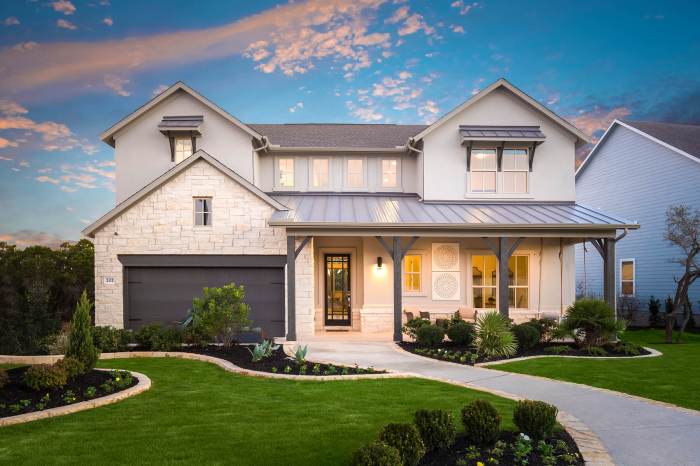
When looking for a new home, there are various types of properties available on the market to suit different preferences and lifestyles.
Single-Family Homes
Single-family homes are standalone properties typically situated on their own lot of land. They offer privacy and space for families, with features such as a yard, garage, and multiple bedrooms.
Townhouses
Townhouses are multi-level properties that share walls with neighboring units. They often come with amenities like community pools or gyms, offering a balance between a single-family home and a condominium in terms of space and maintenance.
Condominiums
Condominiums, or condos, are units within a larger building or complex. They usually come with shared amenities like a fitness center or common areas, providing a low-maintenance lifestyle ideal for busy professionals or retirees.
Custom-Built Homes vs. Spec Homes
Custom-built homes are designed according to the buyer's specifications, allowing for personalization and unique features. On the other hand, spec homes are built by developers based on pre-determined layouts and designs, ready for immediate purchase.
New Home Buying Process
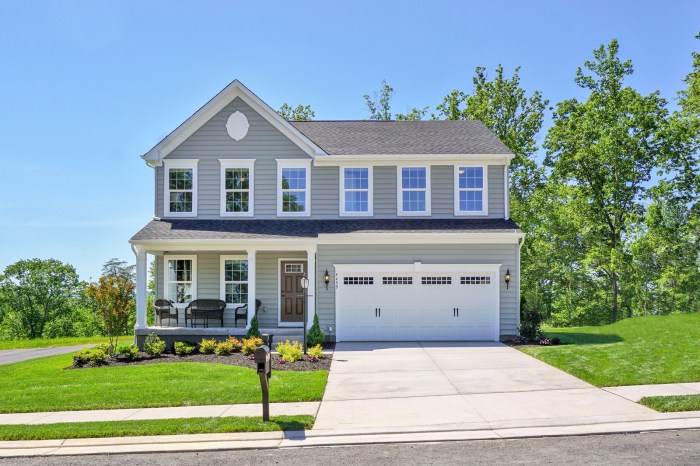
When it comes to purchasing a new home, there are several important steps to consider in order to make a well-informed decision and secure the best deal possible.
Role of Real Estate Agents
Real estate agents play a crucial role in the home buying process by helping buyers navigate the complex real estate market, providing valuable insights and expertise, and negotiating on behalf of the buyer to ensure a fair deal is reached.
Importance of Home Inspections
Home inspections are a vital part of buying a new home as they help identify any potential issues or problems with the property that may not be visible to the naked eye. This can save buyers from costly repairs or renovations down the line.
Tips for Negotiating Price
- Research the market to understand the current pricing trends in the area.
- Be prepared to walk away if the price is not right, as this can give you leverage in negotiations.
- Consider making a reasonable offer based on the condition of the property and any repairs needed.
- Work with your real estate agent to come up with a strategic negotiation plan to get the best deal possible.
Financing Options for New Homes
When it comes to buying a new home, there are several financing options available to prospective buyers. Understanding the different options and their pros and cons can help you make an informed decision that best suits your financial situation.
Types of Financing Options
- 1. Mortgage Loans: One of the most common ways to finance a new home purchase is through a mortgage loan. This involves borrowing money from a lender to buy the property and then repaying the loan over a set period of time with interest.
- 2. FHA Loans: Federal Housing Administration (FHA) loans are government-backed loans that offer lower down payment requirements and more lenient credit score requirements compared to conventional mortgages.
- 3. VA Loans: Veterans Affairs (VA) loans are available to current and former military service members and offer competitive interest rates, no down payment requirements, and no private mortgage insurance (PMI) needed.
Pros and Cons of Getting a Mortgage
- Pros:
• Allows you to buy a home without having to pay the full purchase price upfront.• Can help you build equity in the property over time. • Fixed monthly payments make budgeting easier
. - Cons:
• Requires a down payment and closing costs.• Interest payments over the life of the loan can add up significantly. • Defaulting on a mortgage can result in foreclosure.
Fixed-Rate Mortgages vs. Adjustable-Rate Mortgages
- Fixed-Rate Mortgages:
A fixed-rate mortgage has a set interest rate that remains constant throughout the loan term, providing predictability in monthly payments.
- Adjustable-Rate Mortgages:
Adjustable-rate mortgages have interest rates that can fluctuate over time based on market conditions, potentially resulting in lower initial payments but higher risk of payment increases in the future.
Down Payments and Closing Costs
- Down Payments:
• The down payment is a percentage of the home's purchase price that the buyer must pay upfront.• Typically ranges from 3% to 20% of the purchase price, depending on the type of loan and lender requirements.
- Closing Costs:
• Closing costs are fees associated with finalizing the home purchase, including appraisal fees, title insurance, attorney fees, and more.• Generally range from 2% to 5% of the home's purchase price.
Benefits of Buying a New Home
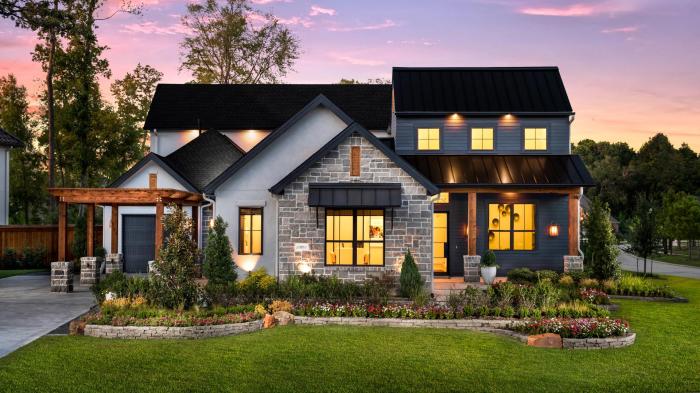
Purchasing a new home offers a range of advantages that make it a compelling choice for many homebuyers. From warranties to energy-efficient features, here are some key benefits to consider.
Advantages of Purchasing a New Home
- New homes often come with modern amenities and features, providing a more comfortable and convenient living experience.
- You have the opportunity to customize certain aspects of the home to suit your preferences and needs.
- New homes require less maintenance compared to older homes, saving you time and money in the long run.
Warranties and Guarantees
- Many new homes come with warranties that cover structural defects and major systems, providing peace of mind for homeowners.
- Builders often offer guarantees on workmanship and materials, ensuring quality construction and craftsmanship.
Good Investment
- Buying a new home can be a good investment as new properties tend to appreciate in value over time, potentially yielding a higher return on investment.
- New homes are often more attractive to buyers in the future, increasing the resale value of the property.
Energy-Efficient Features
- New homes are built with energy-efficient materials and appliances, reducing utility costs and environmental impact.
- Features like high-efficiency HVAC systems, insulated windows, and LED lighting can help homeowners save money on energy bills.
Final Review
In conclusion, the journey of exploring new homes for sale is an exhilarating one, filled with choices, benefits, and opportunities for a bright future. Whether you're looking for a custom-built home or considering the advantages of energy-efficient features, the world of new homes awaits with open arms.
General Inquiries
What are the benefits of purchasing a new home?
Buying a new home often comes with warranties, guarantees, and modern features that can provide a more secure and efficient living environment compared to pre-owned homes.
What are the financing options available for new home purchases?
Financing options for new homes can include mortgages, fixed-rate or adjustable-rate, along with considerations for down payments and closing costs.
How do custom-built homes differ from spec homes?
Custom-built homes are tailored to the buyer's preferences and specifications, while spec homes are built based on a builder's design and are usually ready for immediate purchase.