Delving into the world of homes for sale, this guide offers a detailed look at the different types of properties available, essential factors to consider when buying, current real estate market trends, and tips for successfully selling a home. Whether you're a first-time buyer or a seasoned seller, this comprehensive overview has something for everyone interested in the real estate market.
Exploring the nuances of property buying and selling, this guide aims to provide valuable insights and practical advice to navigate the often complex and competitive housing market.
Types of Homes for Sale
When looking for a new home, there are various types of properties available on the market catering to different preferences and lifestyles. Let's delve into the common types of homes for sale and their distinct features.
Single-Family Homes
Single-family homes are standalone properties designed to house one family. These homes offer privacy and ample outdoor space, making them ideal for families or individuals who value independence. However, they often require more maintenance and have higher utility costs compared to other types of homes.
Condos
Condos, short for condominiums, are units within a larger building or complex that are individually owned. Condos typically offer amenities such as swimming pools, gyms, and security services. They are popular among individuals looking for a low-maintenance lifestyle and shared facilities.
On the downside, condo owners have to pay monthly association fees and adhere to community rules.
Townhouses
Townhouses are multi-level homes that share walls with neighboring units. They combine the privacy of a single-family home with the convenience of shared amenities and maintenance provided by homeowners' associations. Townhouses are suitable for those seeking a balance between independence and community living.
However, residents may have to compromise on outdoor space compared to single-family homes.
Factors to Consider when Buying a Home
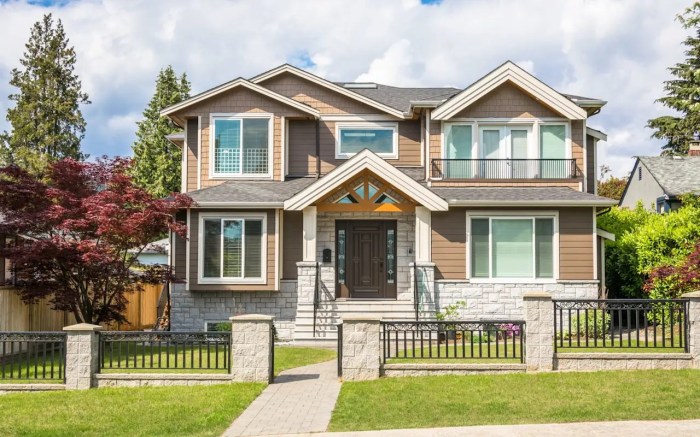
When looking for homes for sale, there are several essential factors to consider to ensure you make the right decision that fits your needs and preferences.
Location
- Consider the proximity to essential amenities such as schools, hospitals, grocery stores, and public transportation.
- Check the neighborhood for safety, accessibility, and overall livability.
- Think about the future resale value of the property based on its location.
Size and Layout
- Determine the number of bedrooms and bathrooms you need to accommodate your family comfortably.
- Consider the layout of the house and whether it meets your lifestyle and future needs.
- Think about the available outdoor space, garage, or storage options.
Amenities and Features
- Look for specific amenities such as a modern kitchen, updated appliances, and energy-efficient features.
- Consider additional features like a backyard, swimming pool, or home office based on your preferences.
- Weigh the cost-benefit of additional amenities and features in relation to your budget.
Budgeting and Financial Readiness
- Set a realistic budget that includes not just the purchase price but also closing costs, maintenance, and potential renovations.
- Get pre-approved for a mortgage to know your purchasing power and streamline the buying process.
- Consider the impact of property taxes, homeowner association fees, and insurance on your overall budget.
Tips for First-Time Homebuyers
- Work with a real estate agent who understands your needs and can guide you through the process.
- Attend open houses and inspections to get a feel for different properties and neighborhoods.
- Don't rush into a decision, take your time to compare options and negotiate the best deal.
Real Estate Market Trends
The real estate market is constantly evolving, and staying updated on the latest trends is crucial when it comes to buying or selling a home. Market trends can have a significant impact on home prices and availability, making it essential to understand how factors like interest rates and economic conditions influence the housing market
Impact of Interest Rates on Home Prices
Interest rates play a key role in determining the affordability of homes for potential buyers. When interest rates are low, it becomes more attractive for individuals to borrow money for a mortgage, leading to increased demand for homes. This surge in demand can drive up home prices.
On the other hand, high-interest rates can deter buyers, resulting in a decrease in home prices.
Economic Conditions and Housing Market
The overall economic conditions of a region, such as employment rates, income levels, and consumer confidence, also play a vital role in shaping the real estate market. A strong economy typically leads to higher demand for homes, pushing prices up.
Conversely, economic downturns can cause a decrease in demand, resulting in lower home prices.
Impact of Market Inventory on Availability
The level of housing inventory available in the market also influences pricing and availability. When there is a limited supply of homes for sale, competition among buyers increases, leading to higher prices. Conversely, an oversupply of homes can drive prices down as sellers compete to attract buyers.
Regional Market Disparities
It's important to note that real estate market trends can vary significantly from region to region. Factors such as population growth, job opportunities, and local amenities can all impact the housing market in a particular area. Understanding these regional disparities is crucial for making informed decisions when buying or selling a home.
Tips for Selling a Home
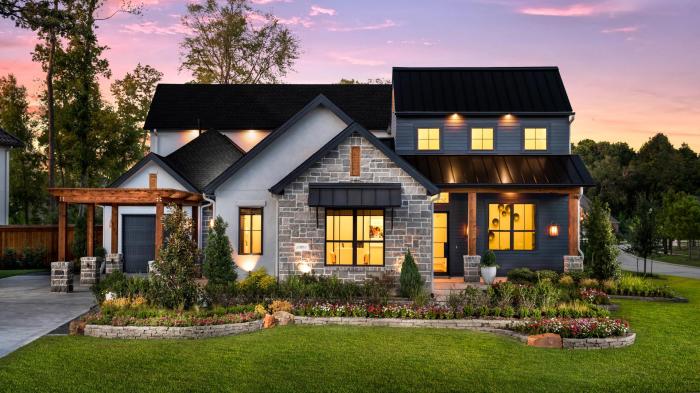
When it comes to selling a home, there are several key strategies that can help attract potential buyers and ensure a successful sale. From preparing the property for listing to negotiating offers, each step plays a crucial role in the selling process.
Preparing Your Home for Sale
- Start by decluttering and depersonalizing the space to help potential buyers envision themselves living in the home.
- Make any necessary repairs or upgrades to increase the property's value and appeal.
- Consider hiring a professional stager to showcase the home in its best light and make it more attractive to buyers.
Importance of Staging and Curb Appeal
- Staging can help highlight the best features of your home and create a welcoming atmosphere for potential buyers.
- Enhancing curb appeal by maintaining the exterior of the property can make a strong first impression on buyers.
- Investing in landscaping, fresh paint, or minor renovations can significantly improve the overall look of your home.
Setting the Right Price
- Research the local real estate market and consult with a real estate agent to determine the optimal listing price for your home.
- Pricing your home competitively can attract more buyers and lead to a quicker sale.
- Be open to negotiating offers and consider factors such as market trends, appraisal values, and the condition of the property.
Negotiating Offers and Closing the Deal
- Respond promptly to offers and engage in constructive negotiations to reach a mutually beneficial agreement with potential buyers.
- Work closely with your real estate agent to navigate the closing process and ensure all necessary paperwork is completed accurately and on time.
- Be prepared for potential challenges or delays during the closing phase and maintain open communication with all parties involved.
Ultimate Conclusion
In conclusion, understanding the dynamics of homes for sale is crucial for making informed decisions in real estate transactions. By considering the types of homes, key factors when buying, market trends, and effective selling strategies, individuals can navigate the property market with confidence and success.
FAQ Section
What are the pros and cons of buying a condo?
Condos often offer amenities like security and maintenance services, but you may have to pay monthly association fees.
How do market trends impact home prices?
Market trends such as high demand can lead to increased home prices, while a surplus of inventory can lower prices.
Why is staging important when selling a home?
Staging helps potential buyers envision themselves living in the space, making it more appealing and increasing the likelihood of a sale.