Delve into the world of single family homes for sale as we uncover the nuances and benefits that come with these properties. This guide is designed to provide you with valuable insights and expert advice on navigating the real estate market for single family homes.
Learn about the key factors to consider, market trends, financing options, and essential tips for first-time buyers looking to purchase a single family home.
Overview of Single Family Homes for Sale
Single family homes are standalone residential properties designed to house one family, distinguishing them from multi-family homes like duplexes or townhouses. These homes typically include a yard or outdoor space and are not attached to any neighboring units.Purchasing a single family home comes with several benefits.
Firstly, homeowners have more privacy compared to living in a multi-family building. Additionally, single family homes often offer more space both indoors and outdoors, providing room for families to grow and enjoy various activities. Moreover, owning a single family home allows homeowners to have full control over their property, from making renovations to landscaping the yard according to their preferences.Single family homes remain a popular choice in the real estate market due to the sense of stability and permanence they offer.
Families are drawn to the idea of having their own space without sharing walls or common areas with neighbors. Furthermore, single family homes are often located in neighborhoods with good schools and amenities, making them an attractive option for families looking to settle down and establish roots.
Benefits of Single Family Homes:
- Privacy and space for families to grow
- Control over property for customization
- Sense of stability and permanence in homeownership
- Desirable locations with amenities in family-friendly neighborhoods
Factors to Consider When Buying Single Family Homes
When looking for single family homes for sale, there are several key factors to consider that can greatly impact your decision-making process.
Advantages and Disadvantages of Single Family Homes
- Advantages:
- Privacy: Single family homes offer more privacy compared to other types of properties like condos or townhouses.
- Outdoor Space: Typically, single family homes come with a yard or outdoor space, which can be great for families or individuals who enjoy outdoor activities.
- Potential for Expansion: You have the flexibility to expand or renovate your single family home without needing approval from a homeowners' association.
- Disadvantages:
- Maintenance Costs: Single family homes often come with higher maintenance costs compared to condos or townhouses.
- Higher Utility Bills: With more square footage, utility bills for single family homes can be higher.
- Resale Value: Depending on the location and market trends, single family homes may have slower appreciation rates compared to other types of properties.
Impact of Location, Size, and Amenities
- Location:
- Proximity to Schools, Work, and Amenities: The location of a single family home can greatly impact its value. Homes in desirable neighborhoods with good schools and amenities nearby tend to have higher value.
- Neighborhood Safety: Safety is a crucial factor to consider when choosing a location for a single family home. Safe neighborhoods often have higher property values.
- Size:
- Number of Bedrooms and Bathrooms: The size of a single family home, including the number of bedrooms and bathrooms, can affect its resale value and appeal to buyers.
- Square Footage: Larger homes typically have higher resale values, but they also come with higher maintenance costs.
- Amenities:
- Community Amenities: Access to community amenities such as parks, pools, and recreational facilities can add value to a single family home.
- Home Amenities: Features like a modern kitchen, updated bathrooms, and energy-efficient appliances can increase the value of a single family home.
Pricing and Market Trends
In the real estate market, pricing and market trends play a crucial role in the buying and selling of single-family homes. Understanding how pricing is determined and being aware of current market trends can help buyers make informed decisions.When it comes to pricing single-family homes, several factors come into play.
Location, size, condition, amenities, and comparable sales in the area all influence the listing price of a home. Sellers often work with real estate agents who conduct a comparative market analysis to determine a competitive price for the property.
Market Trends in Single Family Homes Sales
Market trends in single-family homes sales can vary depending on various economic factors, supply and demand, interest rates, and consumer confidence. It is essential for buyers to stay updated on these trends to make the best purchase decisions.
- Keep an eye on the median home prices in the area to understand the overall market trend.
- Look for any changes in inventory levels, as low inventory can drive prices up.
- Consider the average number of days on the market, as longer days can indicate a slower market.
Negotiating Prices for Single Family Homes
Negotiating the price of a single-family home is a crucial step in the buying process. Here are some tips to help buyers negotiate effectively:
- Do your research and understand the market value of similar homes in the area.
- Be prepared to walk away if the seller is not willing to negotiate to a reasonable price.
- Consider offering non-price terms, such as a quick closing or flexibility on the move-in date, to sweeten the deal.
Financing Options for Single Family Homes
When it comes to buying a single family home, there are various financing options available to help make your dream home a reality. It's essential to explore these options and understand the importance of pre-approval before beginning your search for single family homes for sale.
Additionally, knowing the process of getting a mortgage for a single family home purchase can help streamline the home buying process.
Types of Financing Options
- Conventional Loans: These are traditional mortgages offered by banks and credit unions. They typically require a down payment of at least 3% to 20% of the home's purchase price.
- FHA Loans: Insured by the Federal Housing Administration, these loans require a lower down payment (as low as 3.5%) and are accessible to borrowers with lower credit scores.
- VA Loans: These loans are exclusively for veterans, active-duty service members, and eligible surviving spouses. They offer competitive interest rates and do not require a down payment.
- USDA Loans: Backed by the U.S. Department of Agriculture, these loans are designed for properties in rural areas and offer low to no down payment options.
Importance of Pre-Approval
Obtaining pre-approval from a lender before looking for single family homes for sale can give you a competitive edge as a buyer. Pre-approval shows sellers that you are a serious buyer and have the financial capacity to purchase their home.
Process of Getting a Mortgage
When applying for a mortgage for a single family home purchase, you will need to provide financial documents such as pay stubs, tax returns, and bank statements. The lender will review your financial information, credit history, and employment status to determine your eligibility for a loan.
Tips for First-Time Buyers
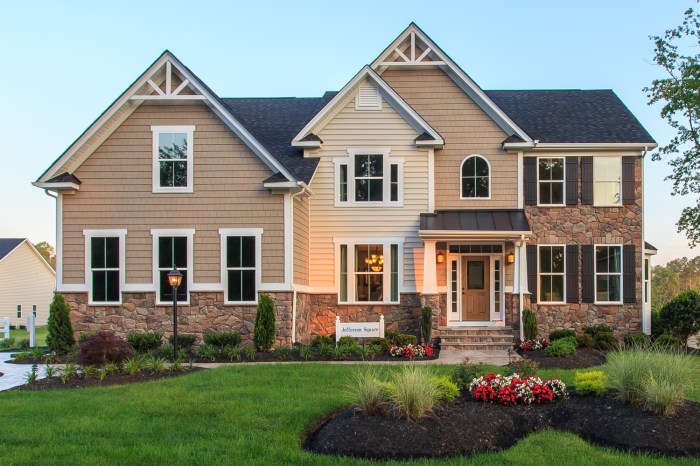
When it comes to purchasing your first single family home, there are several important tips to keep in mind to ensure a smooth and successful process. Here is a step-by-step guide to help first-time buyers navigate through the home buying journey and avoid common mistakes.
Get Pre-Approved for a Mortgage
- Start by getting pre-approved for a mortgage to determine how much you can afford and to show sellers that you are a serious buyer.
- Compare different loan options and interest rates to find the best financing option for your situation.
- Work with a reputable lender and provide all necessary documents to speed up the approval process.
Define Your Needs and Prioritize
- Make a list of must-have features in your new home, such as the number of bedrooms, location, and amenities.
- Consider your future needs and prioritize what is most important to you, whether it's a big backyard, a modern kitchen, or a good school district.
- Be flexible but also stick to your budget and focus on what truly matters to you.
Work with a Real Estate Agent
- Hire an experienced real estate agent who can guide you through the home buying process, negotiate on your behalf, and provide valuable insights.
- Look for an agent who listens to your needs, communicates effectively, and has a good reputation in the local market.
- Rely on your agent's expertise to help you find the right home and navigate through inspections, appraisals, and closing procedures.
Inspect the Property Thoroughly
- Don't skip the home inspection process and hire a qualified inspector to examine the property for any potential issues or repairs.
- Attend the inspection and ask questions about the condition of the home, including the roof, plumbing, electrical systems, and more.
- Consider additional inspections for pests, radon, or mold, depending on the location and age of the property.
Stay within Your Budget and Avoid Overbidding
- Stick to your budget and avoid getting emotionally attached to a home that is beyond your financial means.
- Don't overbid on a property just to win the bidding war, as it could lead to financial strain and regrets later on.
- Be patient and keep looking until you find a home that meets your needs and fits your budget comfortably.
Final Review
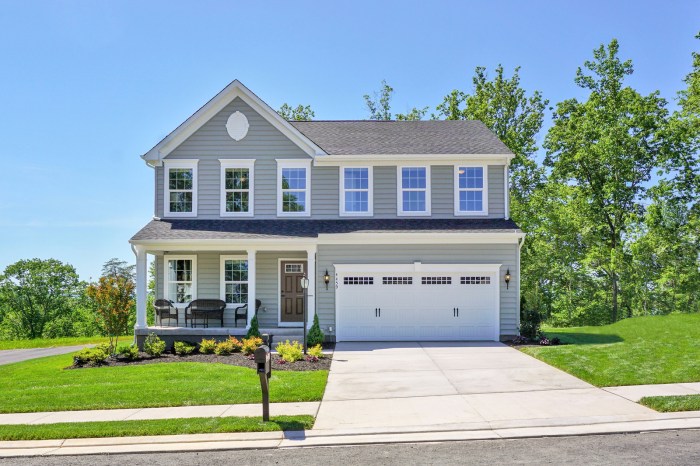
In conclusion, single family homes offer a unique blend of comfort, privacy, and investment potential. Whether you're a seasoned buyer or a first-time homeowner, the journey to finding your dream single family home is filled with exciting possibilities.
FAQ Corner
What are single family homes?
Single family homes are standalone residential properties designed to house one family, providing privacy and space not typically found in other types of properties.
How is pricing for single family homes determined?
Pricing for single family homes is influenced by factors such as location, size, amenities, and current market trends that impact the overall value of the property.
What financing options are available for buying a single family home?
Buyers have various financing options including conventional mortgages, FHA loans, VA loans, and USDA loans tailored to meet different financial needs.
What are some common mistakes to avoid for first-time buyers of single family homes?
First-time buyers should avoid rushing into a purchase, neglecting home inspections, underestimating total costs, and not researching the neighborhood thoroughly.